The Power of Prevention: Protecting Your Back in Vista, CA
While accidents do happen unexpectedly, the truth is that a significant number of back injuries are entirely preventable. As chiropractors in Vista, CA, we see patients every day who are suffering from back pain that could have been avoided with simple changes to their daily habits. The good news is that you have far more control over your back health than you might realize.
Understanding proper body mechanics, maintaining physical fitness, and knowing when to seek professional care are the three pillars of back injury prevention. By incorporating these principles into your daily routine, you can dramatically reduce your risk of experiencing the debilitating back pain that affects millions of Americans each year.
Proper Lifting Technique to Protect Your Spine
Improper lifting is one of the leading causes of back injuries we treat at our Vista, CA chiropractic office. Your back is not designed to function as a crane — it is designed for support and flexibility. When you ask it to bear loads it was not meant to handle, injury is often the result.
Follow these essential lifting guidelines to protect your spine:
Bend at the knees, not the waist: Lower yourself by bending your knees while keeping your back straight. Let your leg muscles do the heavy lifting
Keep objects close to your body: The farther an object is from your center of gravity, the more strain it places on your lower back
Avoid twisting while lifting: Turn your entire body by moving your feet rather than rotating your spine while holding a load
Use a wide, stable stance: Position your feet shoulder-width apart for maximum stability
Know your limits: If an object feels too heavy, ask for help or use equipment. There is no shame in protecting your spine
Elevate frequently used items: If you lift objects regularly, place them on tables or shelves at waist height to minimize bending
Daily Habits That Prevent Back Injuries
Beyond proper lifting, several daily habits can significantly reduce your risk of back injury:
Stretch before physical activity: Whether you are heading to the gym, doing yard work, or playing with your kids, a few minutes of stretching prepares your muscles and reduces injury risk
Take breaks during repetitive tasks: If your work involves repetitive lifting, bending, or sitting, take a break every 30 to 60 minutes to stretch and move
Maintain a healthy weight: Excess weight — particularly around the midsection — places chronic strain on your lumbar spine
Build core strength: Strong abdominal and back muscles create a natural support system for your spine
Sleep on a supportive mattress: A mattress that is too soft allows your spine to sag; one that is too firm can create pressure points. Choose a medium-firm mattress that supports your natural spinal curves
Practice good posture: Whether sitting, standing, or walking, maintaining proper posture distributes weight evenly across your spine
Back Injury Risk Factors Comparison
Risk Factor
Impact Level
How to Mitigate
Sedentary lifestyle
High
Regular exercise, standing desk, movement breaks
Poor lifting mechanics
Very High
Proper technique training, use of assistive equipment
Excess body weight
High
Healthy diet, regular cardiovascular exercise
Weak core muscles
High
Core strengthening exercises, planks, stability work
When back injuries do occur despite your best preventive efforts, prompt treatment is critical. Spinal misalignments, bulging discs, and herniated discs typically worsen without professional intervention. What starts as a minor annoyance can develop into chronic pain that limits your ability to work, exercise, and enjoy daily activities.
Early chiropractic treatment in Vista, CA helps by:
Restoring proper spinal alignment before compensatory problems develop
Relieving nerve compression that causes pain, numbness, and weakness
Improving blood flow to injured tissues, accelerating natural healing
Preventing the formation of scar tissue that can limit future mobility
Reducing inflammation without the need for medication
Frequently Asked Questions
What is the most common cause of preventable back injuries?
Improper lifting technique is the single most common cause of preventable back injuries we see at our Vista chiropractic office. Learning and consistently applying proper lifting mechanics can prevent the majority of these injuries.
Can stretching really prevent back injuries?
Yes. Regular stretching maintains muscle flexibility, improves joint range of motion, and reduces the tension that makes muscles vulnerable to strains. Even five to ten minutes of daily stretching can make a significant difference.
How soon after a back injury should I see a chiropractor?
As soon as possible. Early intervention typically leads to faster recovery and better long-term outcomes. If you experience sudden severe pain, numbness, or weakness, seek care immediately.
Is it safe to exercise with a minor back injury?
It depends on the specific injury. Gentle movement is generally beneficial, but certain exercises could worsen some conditions. A Vista chiropractor can evaluate your injury and recommend safe activities during recovery.
Do not wait for a back injury to sideline you.Contact Pacific Family Chiropractic in Vista, CA at (760) 643-9191 for preventive care or prompt treatment of existing back pain.
I was born and raised in Encinitas California, and grew up surfing and racing motorcycles. After graduating from San Dieguito High School I began my education at UC Santa Cruz where I graduated with a degree in molecular biology. I then went on to Life Chiropractic College West where I graduated Magna Cum Laude in 2001.
After graduation, I returned to Vista and opened my private practice and have been serving here ever since.
Table of Contents Chiropractic Care Goes Far Beyond Pain Relief Pain: The Most Common First Visit Reason Surprising Conditions Chiropractic Care May Improve Chiropractic Benefits
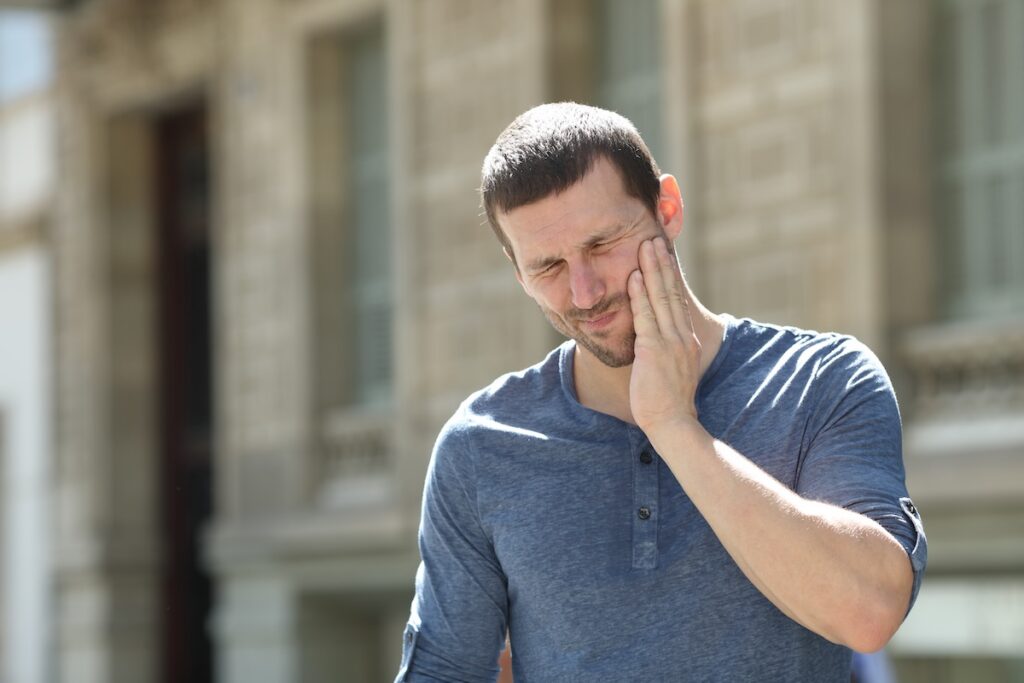
Table of Contents What Is TMJ Disorder? Common TMJ Symptoms What Causes TMJ Disorder? TMJ Treatment Options Comparison How Chiropractic Care Treats TMJ in Vista,
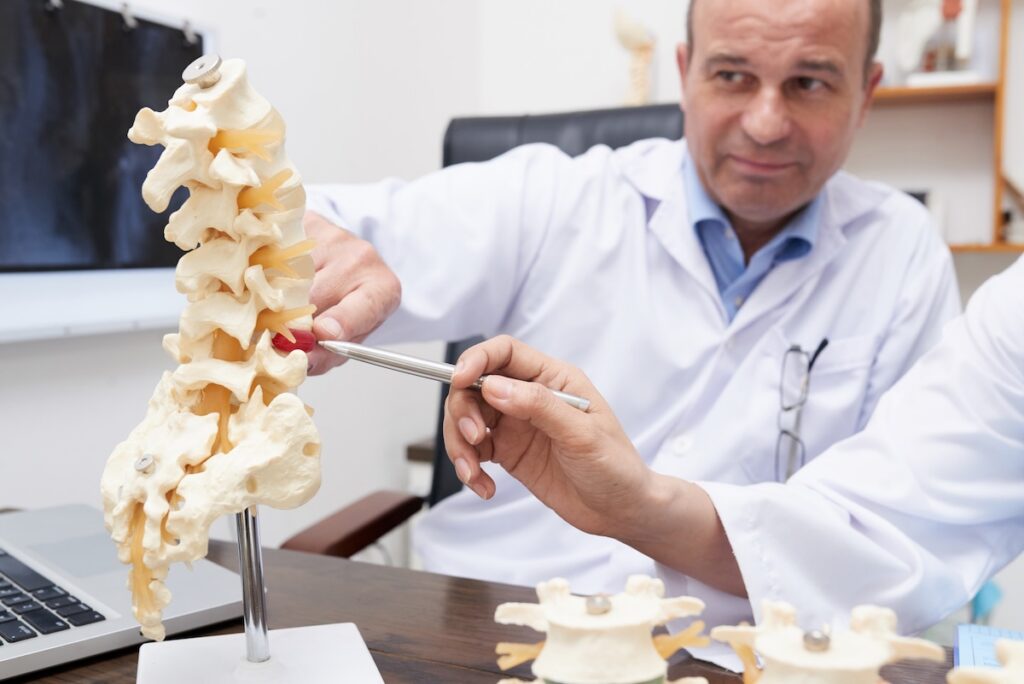
Table of Contents Why Spinal Health Matters More Than You Think Maintain a Healthy Weight for Spine Protection Quit Smoking to Support Spinal Healing Optimal
Don't walk run to see Dr. Dette! I waited too long to get relief! When I was in my teens I had back surgery for scoliosis to "fix" it. I never had any issues until about two years ago (I just turned 64) with constant pain in my hips and legs. I was told by doctors never to go to a Chiropractor because of the rods in my back. Previously doctors diagnosed me with arthritis/bursitis and offered lots of medication/steroid shots. I was taking Ibuprofen frequently to manage the pain which only worked for a day or so. Even walking was painful. I tried everything-massage, exercise, PT, etc. Then I found Dr. Dette. I didn’t expect immediately relief but that’s what I got. After my first appointment with Dr. Dette, most of the nerve pain has subsided significantly. I do not have to take Ibuprofen anymore! I strongly recommend Dr. Dette!
I can’t recommend Dr. Dette enough! Before my first visit, I was experiencing severe lower back pain and was having a difficult time walking normally. After my very first adjustment, I noticed an incredible improvement and was able to walk normally again. The relief was almost immediate, and it made a huge difference in my daily life.<br><br>Dr. Dette was very communicative throughout the entire process. He took the time to explain what was causing my pain, answered all of my questions, and provided valuable advice on how to prevent future back problems. His professionalism, knowledge, and genuine care for his patients really stand out.<br><br>I also want to recognize Jeremy at the front desk. He is always friendly, welcoming, and extremely helpful whenever I call or come into the office. Great customer service from start to finish.<br><br>If you’re dealing with back pain or looking for a chiropractor who truly cares about your health and recovery, I highly recommend Dr. Dette and his team!
⭐️⭐️⭐️⭐️⭐️<br><br>I’ve been seeing Dr. Kevin Dette for several years for chronic low back pain and sciatica, and I can’t say enough good things about him and his practice.<br><br>When I first started treatment, I was dealing with constant pain that affected nearly every aspect of my daily life. Dr. Dette took the time to understand my condition, develop a treatment plan, and help me manage my pain in a way that allowed me to continue working, supporting my family, and maintaining my quality of life. His adjustments, recommendations, and overall approach have made a significant difference in my ability to function day-to-day.<br><br>What really sets Dr. Dette apart is that he genuinely cares about his patients. He listens, takes the time to answer questions, and always treats you like a person rather than just another appointment on the schedule.<br><br>As a veteran, I was also pursuing a VA disability claim related to my back injury. Dr. Dette thoroughly reviewed my records, documented his findings, and provided professional medical support that helped accurately reflect the severity and history of my condition. His willingness to help and attention to detail played an important role in my claim process.<br><br>If you’re looking for a chiropractor who is knowledgeable, professional, compassionate, and truly invested in helping his patients, I highly recommend Dr. Kevin Dette and Pacific Family Chiropractic.<br><br>Thank you, Dr. Dette, for everything you’ve done for me over the years.
Dr. Kevin Dette is an amazing man. My visits with Dr. Dette started in 2004 with my desire to be cured of the debilitating pain I was experiencing. After several treatments, it was clear that there are layers of knowledge to chiropractic treatment that are unappreciated by most people like me.<br><br>Once I began to learn the seemingly endless benefits of chiropractic care, it has become a major staple of my life. Dr Dette’s personal, friendly, and professional approach is undergirded by additional information given for the maximum benefit of the treatments. Pacific Family Chiropractic is where you want to be if you’re serious about your healing and ongoing health. Best to you all and the Pacific Family Chiropractic.
We started going to this chiropractic office after our previous chiropractor retired, and we are so thankful the reviews led us here because it definitely did not disappoint.<br><br>The doctor is extremely thorough, knowledgeable, and very precise with his adjustments. You can truly tell he cares about his patients and takes the time to understand what’s needed. He takes the time to listen and explain things, which we really appreciate! The staff is also incredibly attentive, welcoming, and helpful, which makes every visit a great experience.<br><br>We’re very grateful to have found this office and highly recommend it to anyone looking for quality chiropractic care!
This is my first time there and the staff at the front made me feel warm and welcome, and the doctor was extremely nice and explained everything to me in a way that understood it. I would highly recommend that you check them out for your chiropractic needs
I was greeted with a smile, my pain points were heard and addressed and are the first adjustment I can already feel relief !<br>10/10 recommend Vista Family Chiropractic.
I absolutely love my weekly visits with Dr. Kevin. It goes beyond the adjustment. I feel seen and heard when I come in from the moment I walk in to when I leave. While I take care of myself day to day, I truly believe I haven’t been sick at all in this past year simply because of my adjustments helping to keep my systems in alignment. It’s preventative and a worthy investment for your health
When my long-time chiropractor retired 11 months ago, it was my good fortune to select Dr Dette (PFC - Pacific Family Chiropractic) from among the many choices in North County. It was like winning the lottery, as Dr D has exceptional knowledge of anatomy, and there is no guess-work when he performs gentle but effective manipulations. At the outset, I said he was one of the few who ‘paid attention’ in Chiropractic School. He ranks in the top 2 of the 15(?) chiropractors I’ve known.<br><br>Having been injured in five collisions over a 40-year period, I’ve suffered from chronic neck and back pain and depended on weekly adjustments to relieve muscle spasms of neck/whiplash, mid and lower back. I was resigned to living like this….but to my surprise, after 10 months of treatment by Dr D, the spasms and pain have subsided significantly. My neck no longer feels like it’s locked in a vise-grip, and my back is noticeably more relaxed. Life is hopeful!<br><br>I highly recommend PFC. The office is well-run, there’s never a long wait, and there are 3 therapy rooms with high-tech roller tables. The staff? Warm and welcoming!
Your Favorite MC (SAN DIEGO POP PUNK)10/07/2025 19:50:27
Absolutely enthralled with this place! My wife FINALLY convinced me to go, and they were so communicative, informative, and happy! The appointment was quick, easy, and affordable!
Love coming here! My family and I have been coming here for years. Very nice Christian, Family-Owned business. Dr. Dette is super knowledgeable and his wife is very kind. We always feel welcome here and my back has never felt better. Highly recommend!
Dr. Dette is amazing! I feel immediate relief every time I get adjusted. He’s incredibly skilled and attentive, and truly cares about your well-being. The staff is always so kind and welcoming, and check-in is a breeze. I always leave feeling better than when I walked in. Pacific Family Chiropractor is hands-down the best!
Very professional, serene and welcoming environment! Dr. Dette, Carly, and Tanya are absolutley wonderful, and l felt immedietely better after my first adjusment! Thank you so much!!
Incredible experience! Upon arrival, I was greeted so kindly by Tanya and Dr. Dette’s beautiful wife Carleigh. They made checking in a breeze and create such a warm environment. Truly appreciate the cleanliness and simplicity of the office as well! The boards with family photos and success stories show their passion and the value they place on everyone that walks through their doors.<br>I went in with pain and tension, and left Free’d - Relieved!! Dr. Dette is precise, caring, efficient, extremely knowledgeable, and wants his clients to live their Best lives. Looking forward to continuing care to help get me aligned and optimum! Thank you, Pacific Family Chiropractic!
They took me in very last minute when I was in a lot of pain. Dr.Dette worked his magic in 15 minutes I was walking again. Thankful for him and his team for the kind and swift service. They have a client for life!
Pacific Family Chiropractic is the best place for chiropractic care. I’ve seen many chiropractors over the years and Dr. Dette is, by far, the best. Every visit, he knows exactly what is needed and I always leave feeling better. A few months ago, my husband threw his back out and had a full spasm where he could barely walk and Dr. Dette had him better in 24 hours and back to full capacity in less than a week. He helped me during my entire pregnancy and now adjusts my two children under the age of 5. My son was 3 years old when he was first adjusted and, like most kids, he was aprehesive about going to the doctor. Now, he gets so excited to see Dr. Dette and runs straight to the room and gets himself on the table. He is the only chiropractor I would trust with my children and the only chiropractor my husband and I will use. The staff is always friendly and welcoming and every time I walk in, it feels like I’m seeing family. No better choice for chiropractic care!
If you are looking for an excellent Chiropractor I highly recommend Pacific Family Chiropractic! I've been attending this practice for a few months and when I began I was in so much pain I could hardly walk. Dr. Dette is knowledgeable and is an amazing practictioner! He has made it possible for me to live my life virtually pain free! I also love the entire staff, from Carly, the friendly front desk to his family members. They are so flexible with scheduling!
I highly recommend Pacific Family Chiropractic, run by Dr. Kevin Dette. Their practices are amazing, and I've felt a significant improvement in my well-being since starting treatment. The staff is incredibly friendly and welcoming, making every visit a pleasure. I feel honored to continue my care with them!
I can't say I have any place to compare this to, but my experience here in 2 months time has been amazing.<br>Dr. Dette and his staff (also his wife when she's in!) have all made me feel heard and cared for when I'm there. I feel like that alone says a lot about the experience you can have.<br>Dr. Dette answers my questions thoroughly, is informative, offers suggestions, and offers outside resources.
I had a fantastic experience at Pacific Family Chiropractic with Dr. Kevin Dette. The service was excellent and incredibly efficient. They offer the best prices in town and align you quickly, making the visit smooth and hassle-free. I appreciate their commitment to follow-up appointments to keep my spine in check.<br><br>Today, I arrived with aching pain and left with a relaxed back. Everyone was polite and respectful, making me feel right at home. Highly recommend this clinic to anyone in need of chiropractic care!
Time & time again I go in and am always so impressed not only with the chiropractic care but the conversation always leaves me in a better spot! Thank you!
Dr. Dette is amazing, we’ve been taking our daughter to him since she was 8 weeks old due to torticollis, which was quickly resolved thanks to him! Everyone is so welcoming and understanding, it’s clear how much they truly care about their patients!
I went to Pacific Family Chiropractic for the first time today and had a fantastic experience! Professional, personable, knowledgeable, friendly, and affordable - all in one place! Thank you so much!
Our whole family loves Pacific Chiropractic! The Dettes and Sara are such a huge blessing and truly love and care for their clients like they are family! Our son has been seeing Dr. Dette for a year and is thriving! He sprained his ankle a month ago and Dr. Dette and his team squeezed him in on multiple<br>Occasions to ensure he could get the extra adjustments he needed to heal faster! Now our son is running around and playing normally again!!<br><br>We truly love this practice, and are so blessed by this family!
The best. Fit me in without an appt. and didn’t mind my little kids being with me. Quick adjustments, little to no wait time, and great people. I drive 40 minutes to come here
We are so blessed to have Dr. Kevin Dette and the wealth of knowledge he posses. He has helped us tremendously in our path to recovery and feeling normal again.
Walked in, was met by staff, checked in and was put on the ‘roller’ all within 5 minutes. Upon completion of the ‘roller’ Dr Dette was waiting for me to fix my problem. Great experience.